

Format
Online, via Zoom
Workshop for parents of babies and children aged 0–3.
Autonomy is not taught. It is built.
If your child depends on you for everything, this is where that begins to change.
9th May @ 10h30am Paris Time
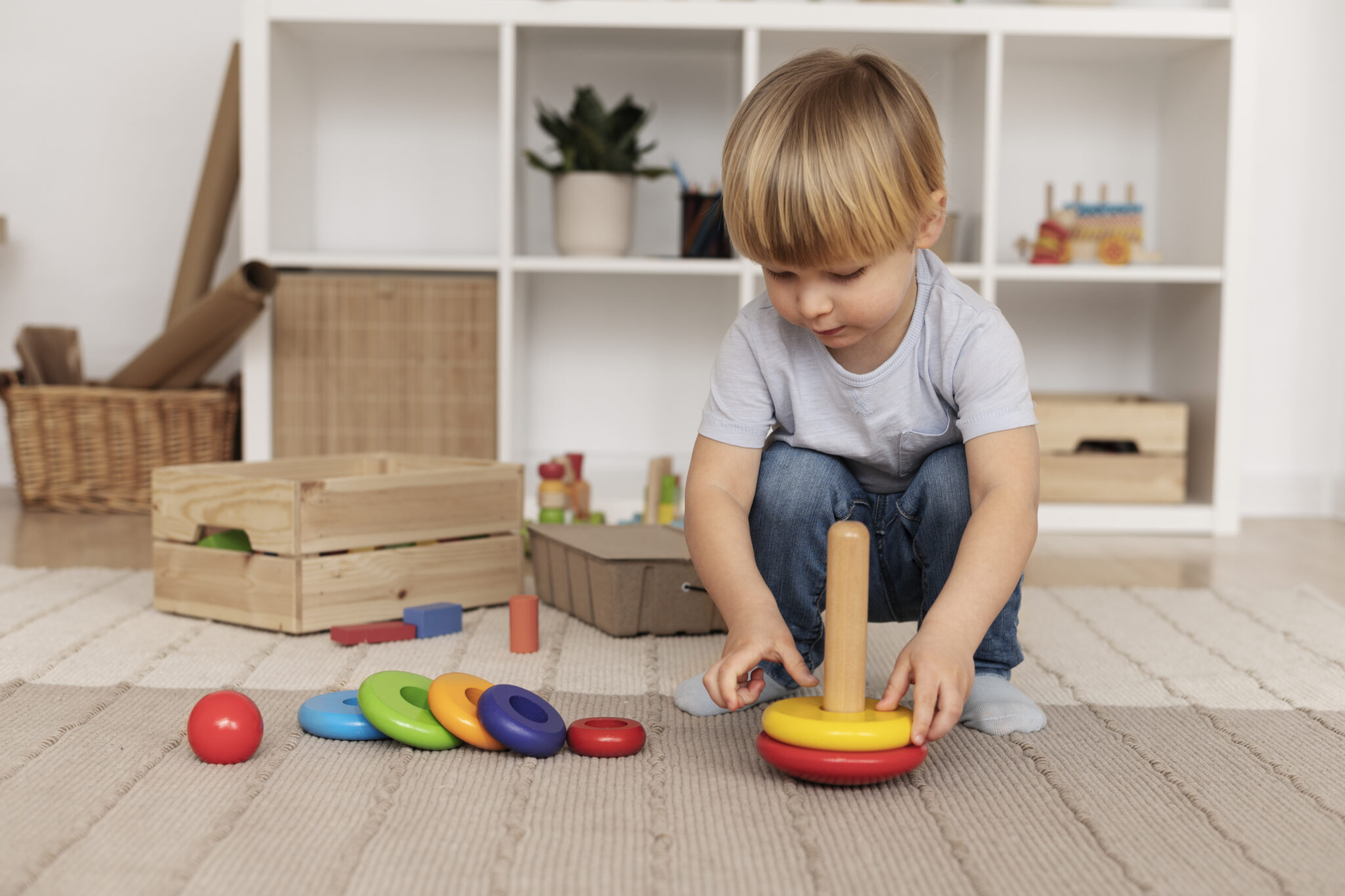
It’s late. Traffic was worse than usual, but you finally arrive at school to pick up your child. You find them tired, crying, and somehow, your patience is already gone before you even get home.
You walk in, drop your bag, and head straight to the kitchen, after all, dinner won’t make itself. As soon as you pick up the knife, you hear a little voice: “Mummy… come play with me.”
You take a deep breath and try to explain: “Just a minute, I’m making dinner.”
But it doesn’t work, and he asks again: “Please, just a little bit.” And your chest tightens, because neither option feels right:
This isn’t about dinner. It’s about that feeling of failing, whether you go play or not. It’s about constantly having to stretch yourself in a hundred directions, and still never managing to finish anything.
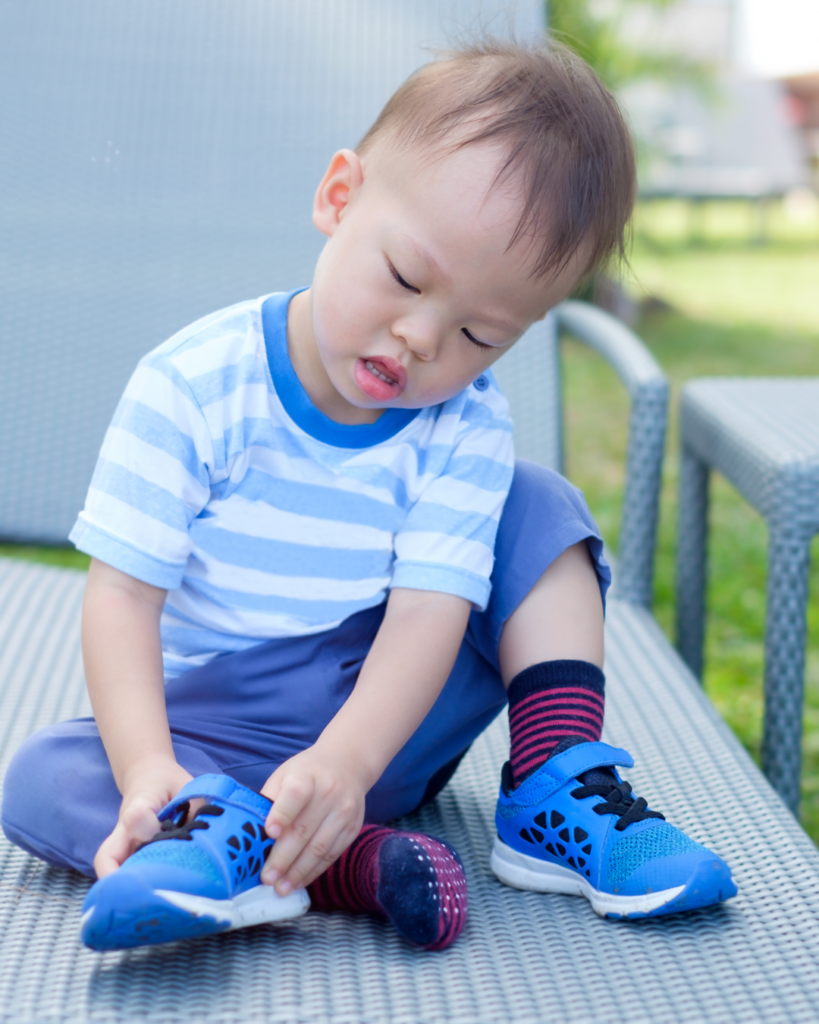
In most cases, we think this is about behavior. It isn’t. Autonomy is not something children learn just because we tell them to, and it’s not something that comes with age alone.
Autonomy is a long, demanding, and sometimes exhausting process. It is built slowly, through repeated, almost invisible moments.
It’s not just about “doing things independently”, it’s about what lies underneath:
And all of this is built… or limited… in the small moments of everyday life.
This is where the real questions usually begin. There isn’t a universal checklist that works for every child, but small adjustments make a meaningful difference:
– When to wait… and when to step in?
– How much to help… without taking control?
– How to support… without replacing?
Understanding autonomy is one thing. Supporting its development in the middle of real life—rushed mornings, tired evenings, everyday transitions—is something entirely different.
And that’s exactly what we’ll explore together in this workshop.
You Will Understand:
What's Included
90 minutes
Replay access (so you don’t have to take notes)
Q&A to address your specific situation
Free Guide "From Play to Independence: 20 Practical Life Activities & How to set them up"
When
9th of May
What time?
10h30 CEST
Investment
CHF 30 / 30 €
Early Bird: CHF 25 / 25€
Format
Online, via Zoom
How can I access?
You will get a link
FAQ's
Because this is not a method or a list of activities. And it definitely isn’t based on social trends.
It’s grounded in:
In how children actually develop autonomy.
In the relationship between involvement and the prepared environment, grounded in recognized pedagogical principles (Montessori, M. & Laevers, F.).
Over 15 years of work with children, as well as with my own daughters.
Here, you won’t learn to do more. You’ll learn what to stop, adjust, and simplify.
This is exactly where we begin.
Dependency is not a problem—it’s information, and it’s where we all naturally begin.
When you understand what’s behind it, you can begin to respond with intention.
Good.
Because this doesn’t add anything to your day.
Remove what’s unnecessary and support them in deepening what they already do.
Then we keep it simple:
If you don’t leave this workshop with more clarity, I will give you your money back!
Reserve your place and sign up now!
You don’t need more activities or more toys. Everything starts with a new lens.
Because the transformation from a child who constantly needs you to a child who begins to act independently is built step by step.
To ensure a high-quality session and allow time to address every question, spots are limited to the first 20 registrations.
Early bird: CHF 25 / €25 for the first 10 registrations.